The Transformative Journey of Agentic AI in Revolutionizing Hospitality Services
U
On Wed, Jan 28, 2026
The hospitality industry has always been about creating memorable experiences for guests. Yet, as customer expectations rise and operational challenges grow, traditional methods struggle to keep pace. The arrival of agentic AI—artificial intelligence systems capable of autonomous decision-making and proactive problem-solving—is reshaping how hotels, restaurants, and travel services operate. This shift moves beyond simple automation to a new era where AI acts as an independent agent, transforming hospitality services from the inside out.
Many hospitality organizations are now exploring generative AI development services to move beyond rule-based systems and implement intelligent solutions that can learn, adapt, and operate autonomously across guest-facing and back-end functions.
Understanding Agentic AI and Its Role in Hospitality
Agentic AI differs from basic automation by not only performing repetitive tasks but also making decisions based on context, learning from interactions, and adapting to new situations without constant human input. In hospitality, this means AI can handle complex guest requests, anticipate needs, and personalize experiences in real time.
For example, an agentic AI system in a hotel might manage room assignments dynamically, considering guest preferences, maintenance schedules, and occupancy rates. It can also interact with guests through natural language, answering questions or suggesting local attractions based on individual interests.
This level of autonomy allows hospitality providers to offer more responsive and tailored services while freeing staff to focus on human-centered tasks that require empathy and creativity. Many leading hotels partner with a trusted generative AI development company to design these systems in a way that aligns with brand identity and service standards.
Practical Applications of Agentic AI in Hospitality
Several real-world examples illustrate how agentic AI is already making an impact:
Personalized Guest Interaction
AI-powered virtual concierges can engage with guests before arrival, during their stay, and after checkout. These systems learn from past interactions to recommend dining options, schedule spa treatments, or arrange transportation, all without human intervention.
Dynamic Pricing and Inventory Management
Agentic AI can analyze market trends, competitor pricing, and booking patterns to adjust room rates or availability automatically. This helps maximize revenue while ensuring competitive pricing.
Operational Efficiency
Autonomous AI agents monitor energy usage, predict maintenance needs, and optimize staff scheduling. For instance, AI can detect when equipment requires servicing before it fails, reducing downtime and improving guest comfort.
Enhanced Food and Beverage Services
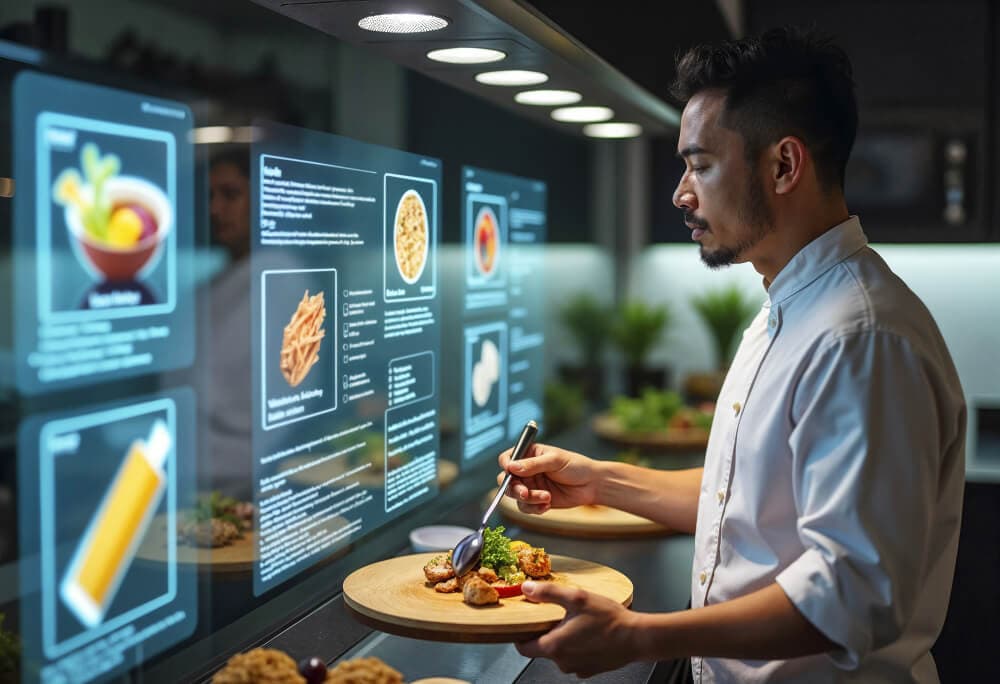
In restaurants, AI can manage inventory, predict popular menu items, and even customize orders based on dietary restrictions or preferences. Some systems can autonomously reorder supplies or adjust kitchen workflows to meet demand.
Benefits for Guests and Hospitality Providers
The rise of agentic AI brings clear advantages for both guests and service providers:
Improved Guest Satisfaction
Personalized, timely responses and seamless service enhance the overall guest experience. AI’s ability to anticipate needs means fewer delays and more relevant recommendations.
Cost Savings and Revenue Growth
Automating complex decisions reduces labor costs and minimizes errors. Dynamic pricing and inventory control help increase profitability.
Scalability and Flexibility
AI systems can handle fluctuating demand without sacrificing quality. This flexibility is crucial during peak seasons or unexpected events.
Data-Driven Insights
Agentic AI continuously gathers and analyzes data, providing hospitality managers with actionable insights to improve services and identify new opportunities.
Challenges and Considerations
Despite its promise, integrating agentic AI into hospitality requires careful planning:
Data Privacy and Security
Handling sensitive guest information demands strict compliance with privacy regulations and robust cybersecurity measures.
Human-AI Collaboration
AI should complement, not replace, human staff. Training employees to work alongside AI agents ensures smooth operations and maintains a personal touch.
Technology Investment
Implementing agentic AI involves upfront costs and ongoing maintenance. Businesses must evaluate return on investment and choose scalable solutions, often guided by an experienced AI development company in the USA.
Ethical Use
Transparency about AI’s role and limitations builds trust with guests. Avoiding biases in AI decision-making is essential to fair treatment.
Looking Ahead: The Future of Hospitality with Agentic AI
Agentic AI is set to become a core component of hospitality services. As technology advances, AI agents will gain deeper understanding of human emotions and preferences, enabling even more nuanced interactions. Integration with Internet of Things (IoT) devices and smart environments will create fully connected guest experiences, from personalized room settings to seamless checkouts.
Hospitality providers that embrace agentic AI early will gain a competitive edge by delivering superior service, improving operational resilience, and adapting quickly to changing market conditions.